The Ismaili Center Houston is part of a distinguished network of Ismaili Centers around the world, each offering a place for spiritual reflection, cultural exchange, and public dialogue. This introductory video provides an overview of the Ismaili community and its 1,400-year lineage, the global work of the Aga Khan Development Network, and the vision behind the Ismaili Center Houston.
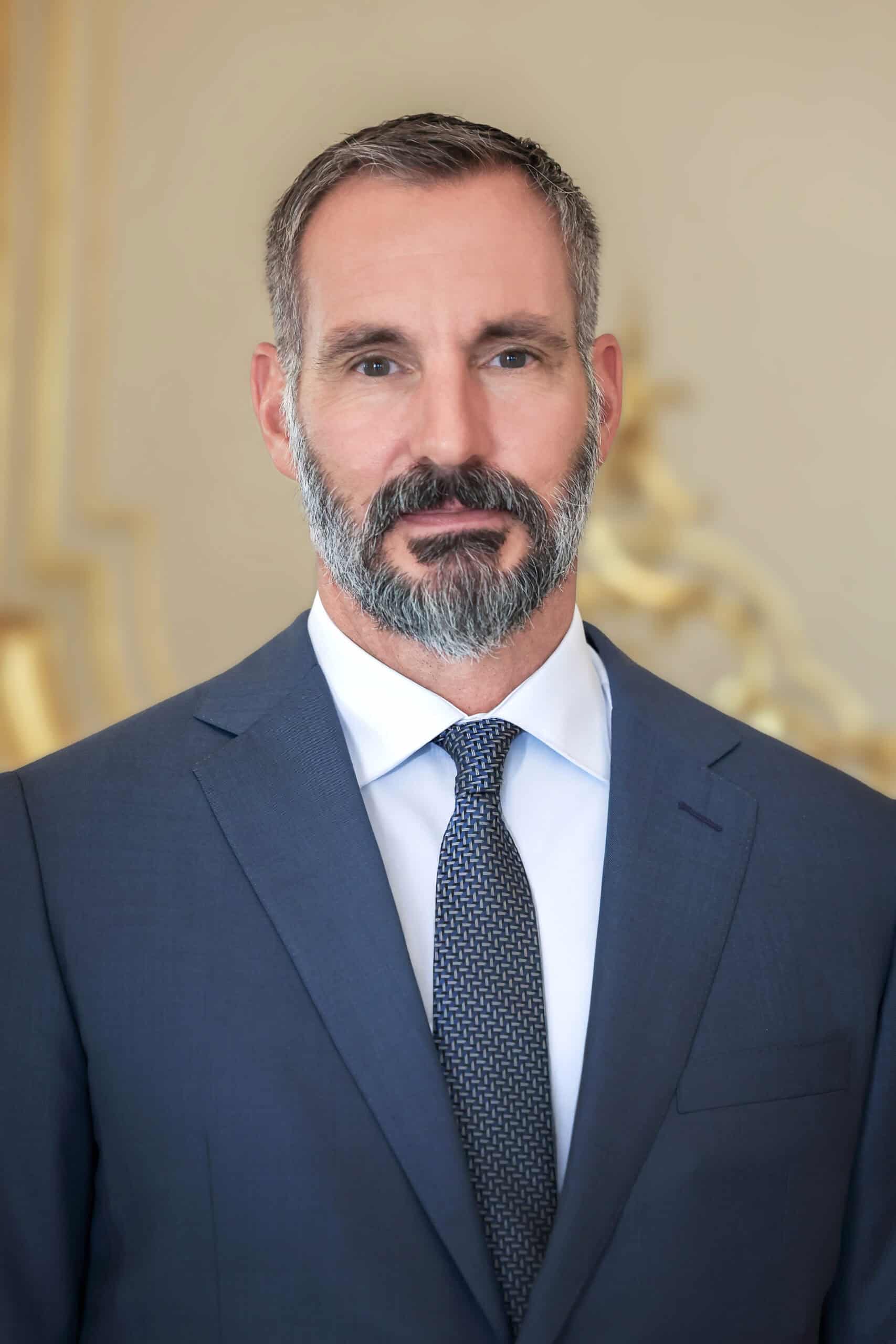
His Highness Prince Rahim Aga Khan V is the 50th hereditary Imam of the Shia Ismaili Muslims. The Ismaili Imamat is a supra-national entity with a mandate to provide spiritual guidance to the Ismaili community and to improve the quality of life of humanity at large.
His Highness the Aga Khan guides the institutions of the Ismaili community and is also Chair of the Aga Khan Development Network (AKDN), one of the largest nondenominational development organizations in the world. In his leadership of the AKDN, he has placed particular emphasis on addressing climate change and expanding access to education, training, and opportunities for enterprise. He regularly engages with leaders of government, international organizations, and civil society to strengthen collaboration with the Ismaili Imamat and to advance shared efforts to foster human dignity and improve quality of life globally.
His Highness was born on October 12, 1971. He was educated at Phillips Academy Andover and graduated in 1995 from Brown University with a Bachelor of Arts in Comparative Literature. He has two sons, Prince Irfan (b. 2015) and Prince Sinan (b. 2017).
The Ismailis are a diverse global community of Shia Muslims living in more than 70 countries. Throughout their 1,400 year history, the Ismailis have been led by a living, hereditary Imam from the time of the first Imam Ali, the cousin and son-in-law of Prophet Muhammad (may peace be upon him and his progeny). The current Imam, His Highness Prince Rahim Aga Khan V, succeeded his father in 2025.
Rooted in a tradition of ethical leadership and civic responsibility, Ismailis are known worldwide for their commitment to pluralism, social progress, and service to the societies in which they live. In the United States, the community is especially recognized for its public service and volunteerism.
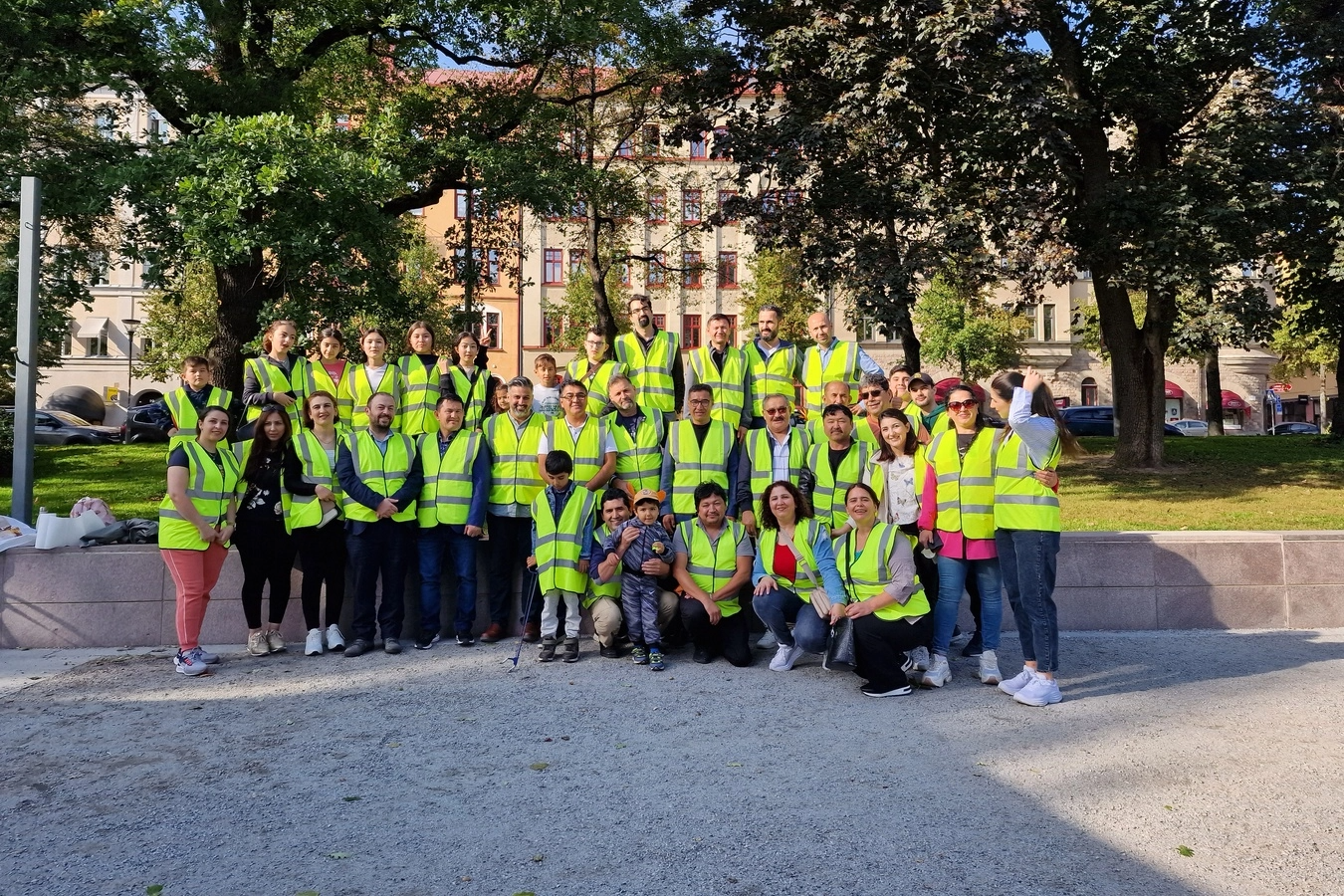
Ismailis are responsible citizens of the countries where they live, embracing pluralism by building bridges of peace and understanding; and generously sharing their time, talents, and material resources to improve the quality of life of society and the communities amongst whom they live.
The Ismailis have evolved a well-defined institutional framework through which they have, under the leadership and guidance of the Imam, established schools, hospitals, health centres, housing societies and a variety of social and economic development institutions for the common good of all citizens regardless of their race or religion.

The Aga Khan Development Network (AKDN) is a group of nondenominational agencies that work to improve living conditions and opportunities for the poor across countries of the developing world, without regard to faith, origin or gender. Building on an underlying ethic of compassion for the vulnerable in society, the agencies in the Network focus on health, education, culture, rural development, institution building and the promotion of economic development.
Architecture & Design
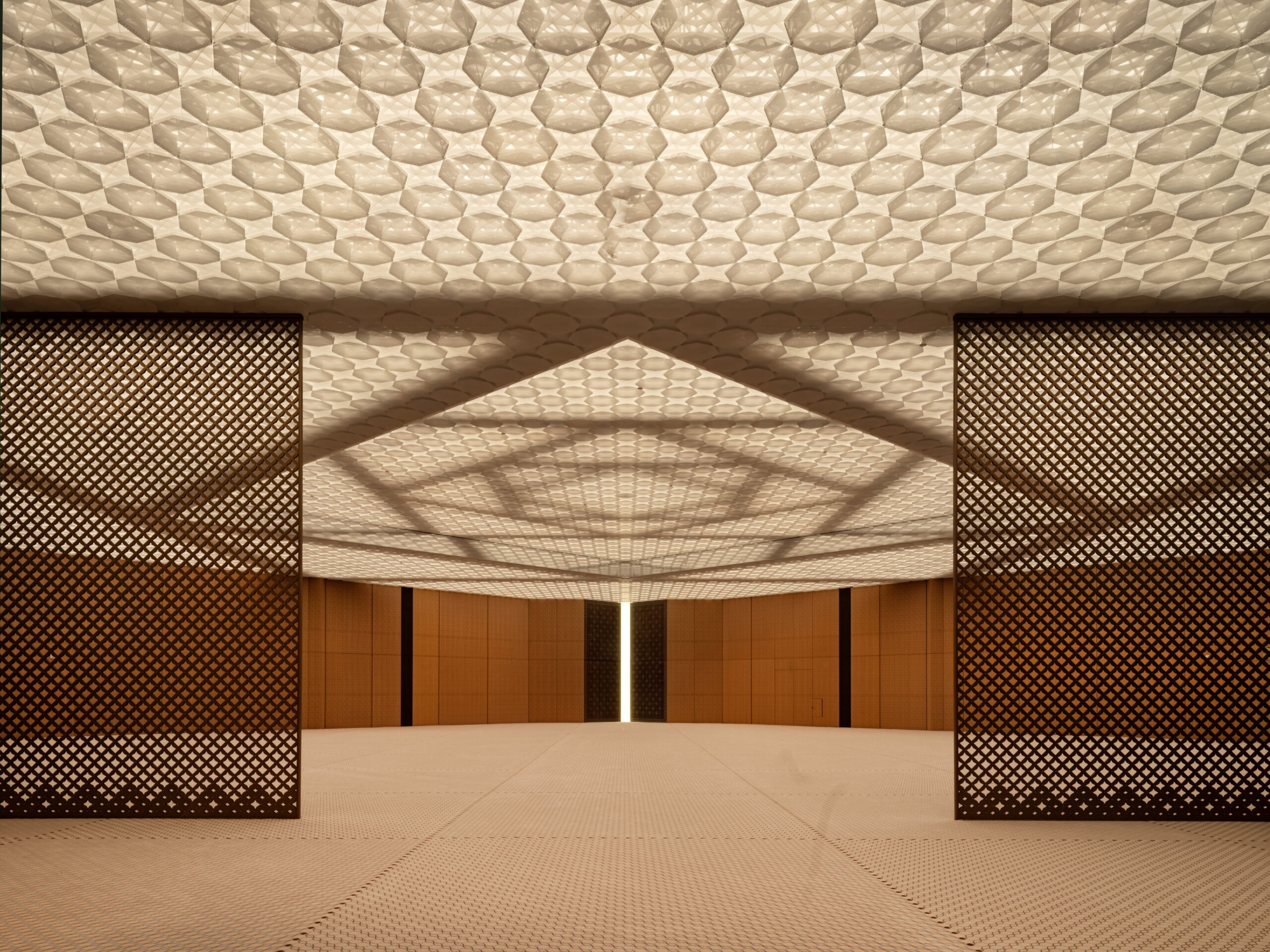
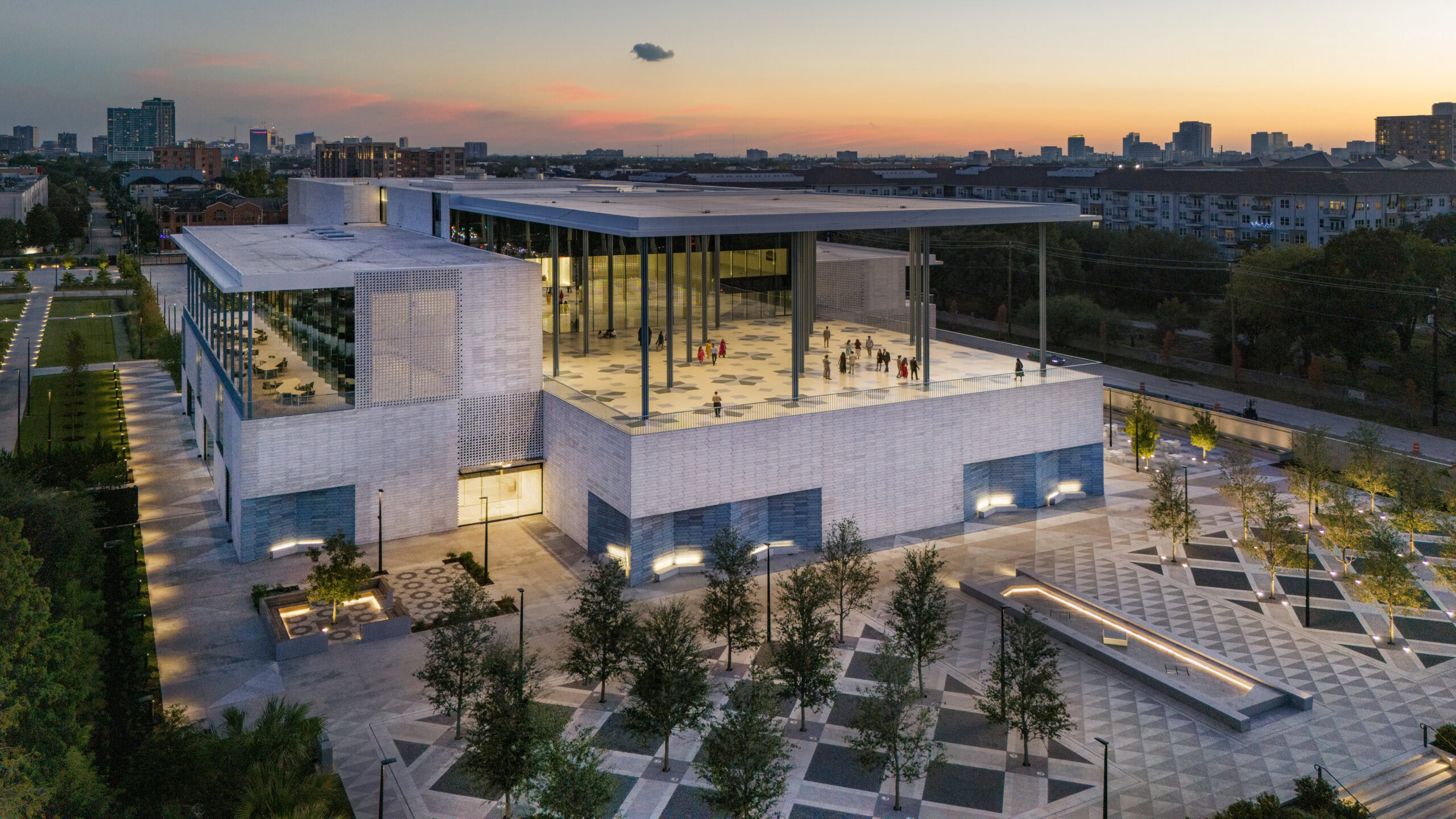
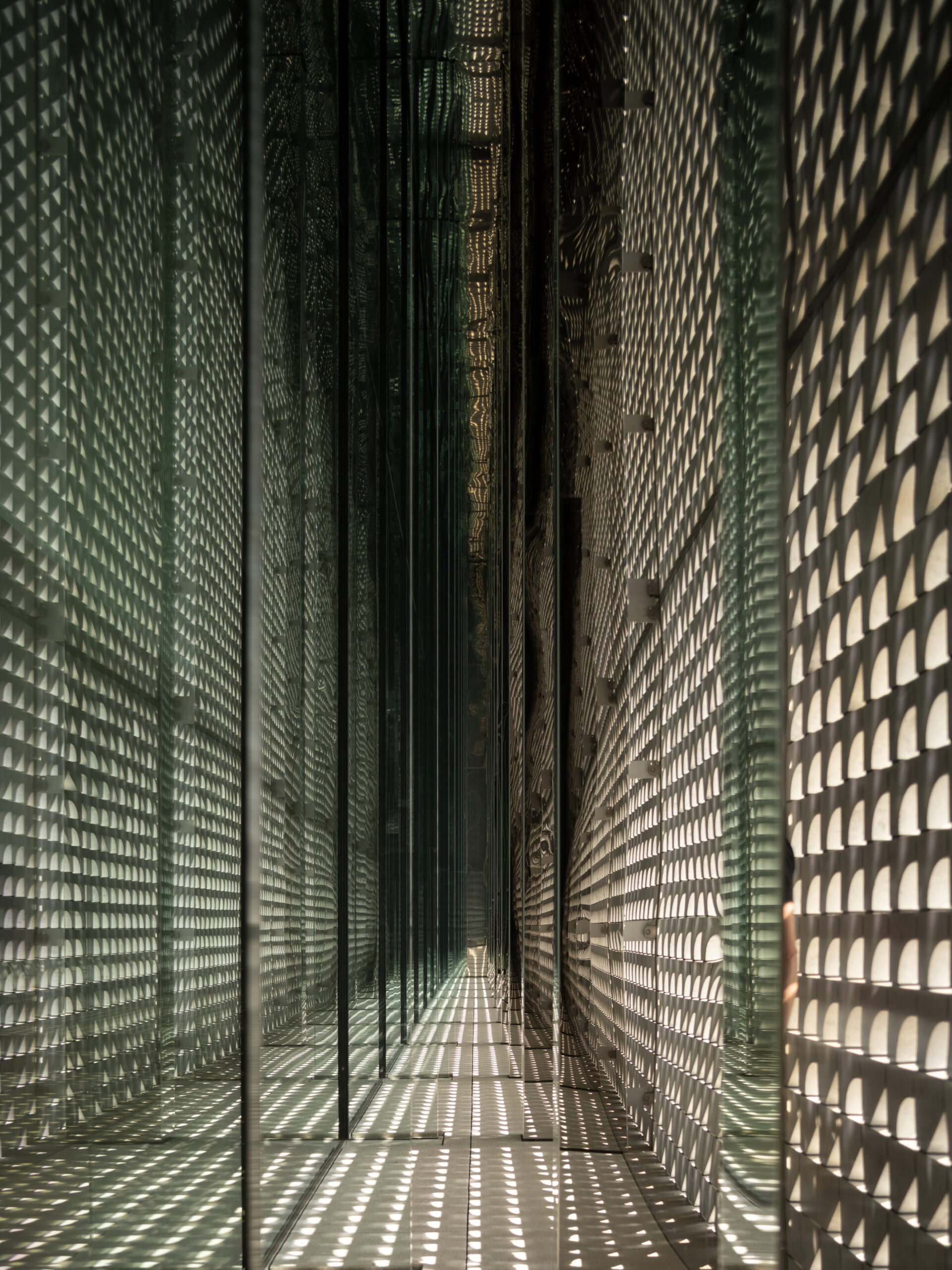
The Ismaili Center represents a commitment to building a pluralist society and uniting diverse people and cultures. The Center’s design is contemporary, yet reflects a rich architectural heritage. It combines modern structural technology with traditional Persian forms, including ceramic mosaics and mashrabiya screens.
The building interior includes three atriums connecting three dedicated spaces with their own mission – engagement, education, and prayer. Each atrium is designed in such a way as to fill the principle spaces of the building with natural light and views of the sky above.
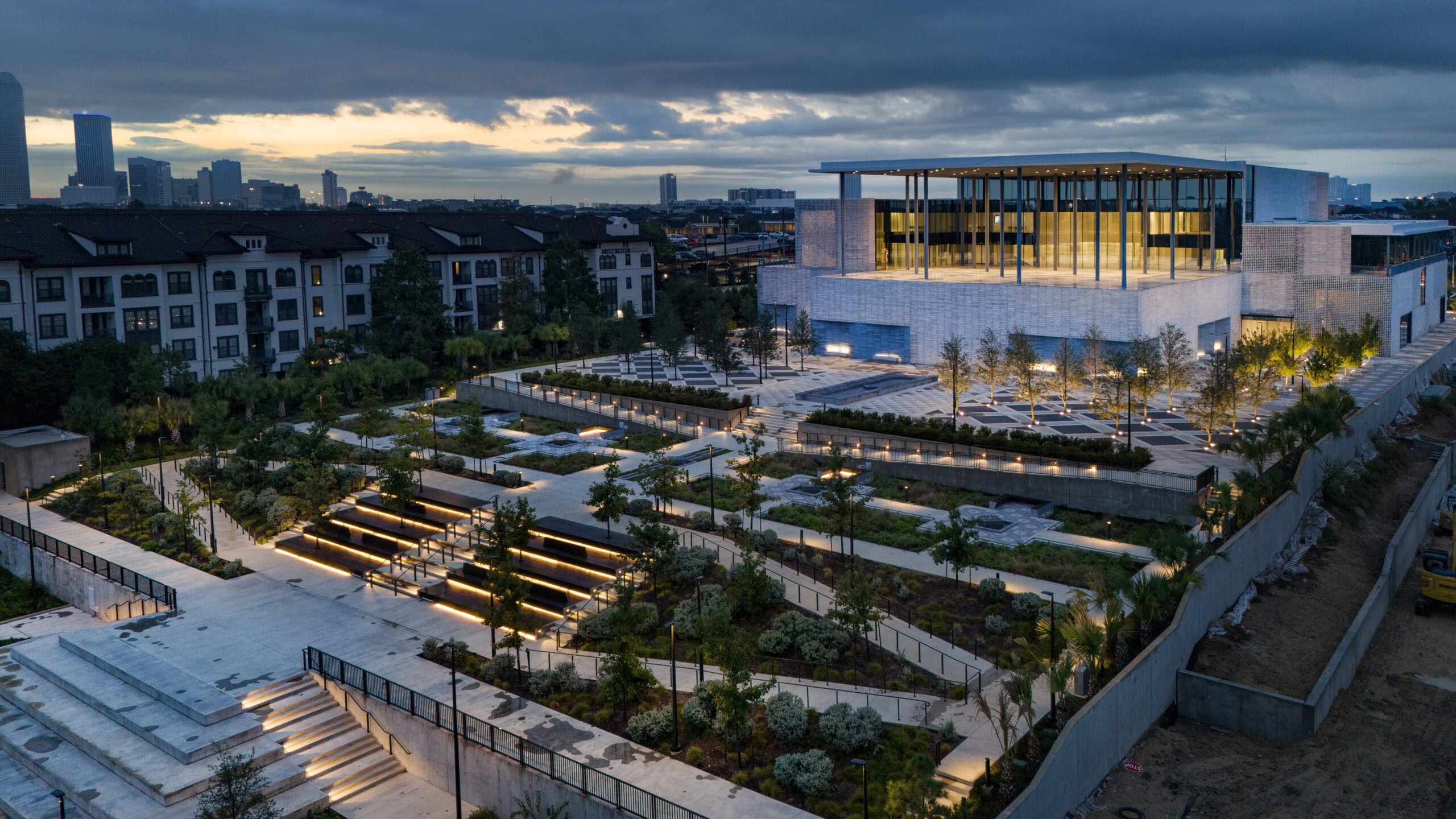
The Center’s nine acres of landscaped gardens, courts, terraces, and fountains collaborate to create a contemplative oasis in the heart of Houston’s urban core. The outdoor space reinterprets Islamic landscape traditions for the context and conditions of Texas’ diverse ecologies.